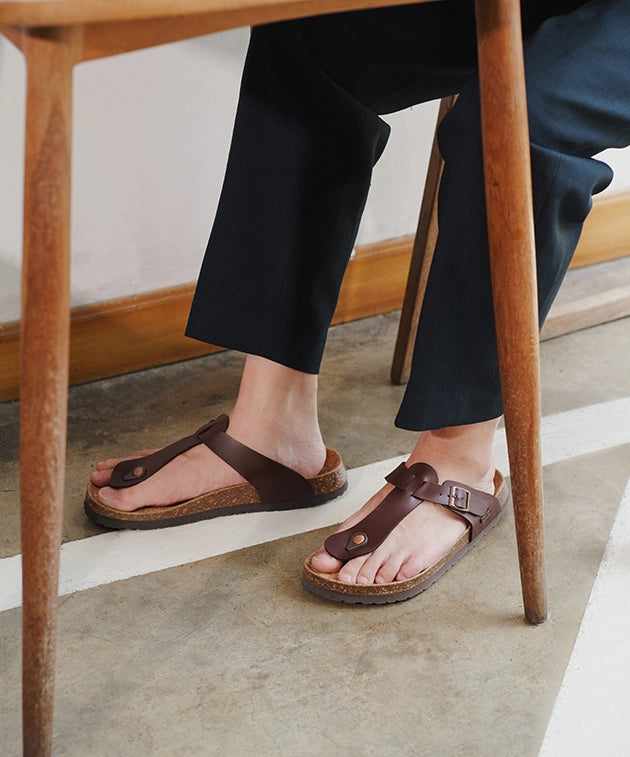

Genuine Cork Footbeds vs Cork-Look Alike Sandals: What’s the Difference?
Genuine Cork Footbeds vs Cork-Look Alike Sandals: What’s the Difference?
Many sandals sold in India are marketed as “cork sandals,” but not all of them use genuine cork footbeds. While several products resemble cork visually, the underlying materials and performance can differ significantly.
Understanding the difference between real cork footbeds and cork-look alternatives helps consumers make better choices for comfort, durability, and long-term foot support.
What is a genuine cork footbed?
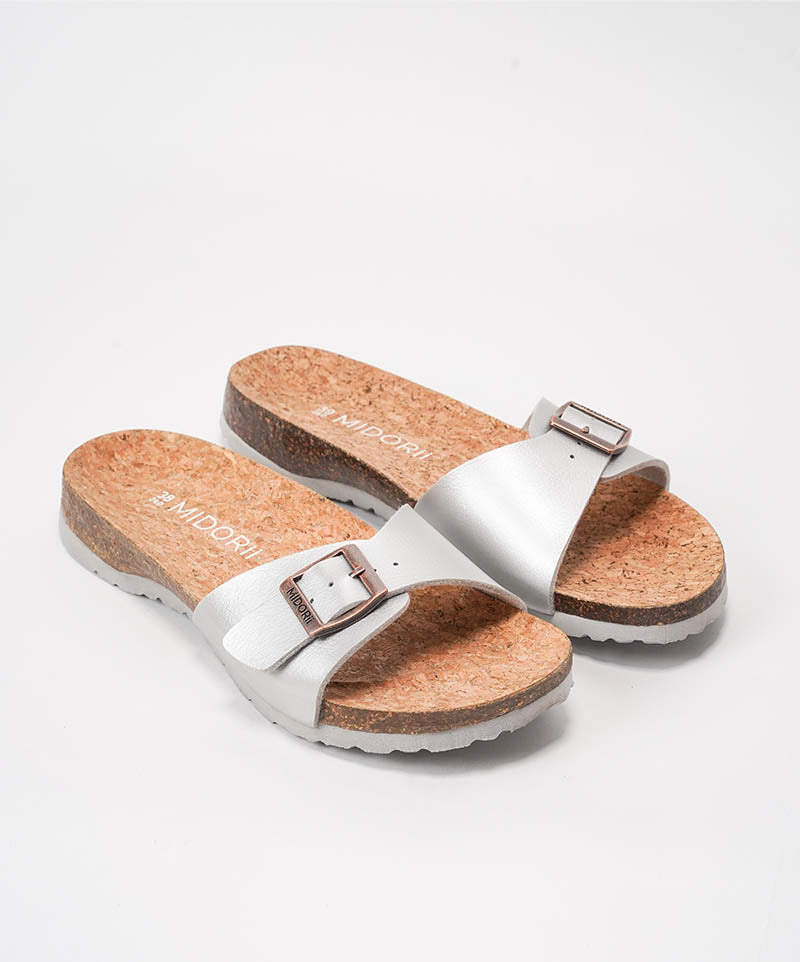
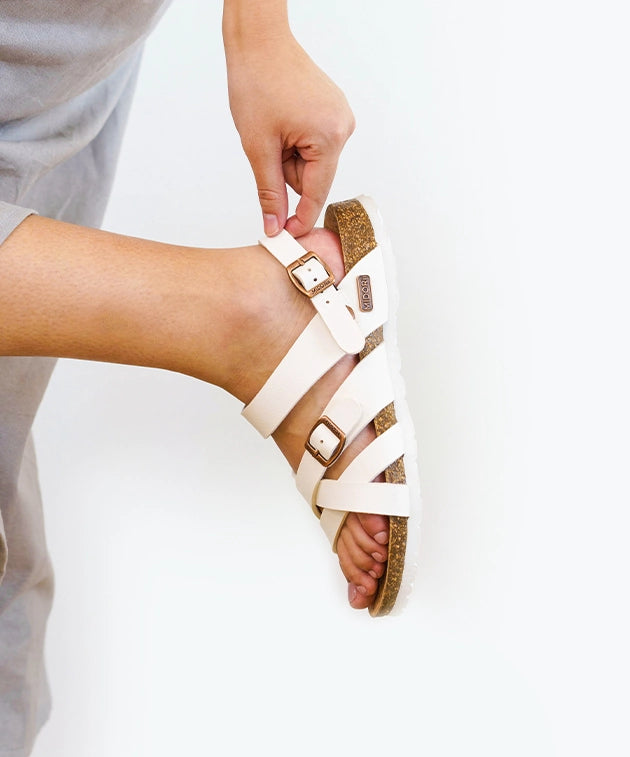
A genuine cork footbed is made primarily from natural cork granules, usually combined with latex or rubber binders. This mixture creates a firm yet flexible structure designed to support the natural shape of the foot.
Key characteristics of genuine cork footbeds:
- Cork is a core structural material, not a surface layer
- Provides structured arch support
- Gradually moulds to the wearer’s foot over time
- Retains shape and support with prolonged use
- Remains breathable in warm climates
Genuine cork footbeds are commonly used in comfort-focused footwear designed for extended daily walking.
What are cork-look or cork-alike sandals?
Cork-look sandals are designed to resemble cork footwear visually but do not use cork as the main supportive component of the footbed.
These sandals may use:
- Thin cork sheets bonded over foam
- Printed cork textures on synthetic soles
- EVA or PU foam footbeds with minimal cork content
While they may look similar to genuine cork sandals, their support, durability, and long-term comfort can be very different.
Key differences: genuine cork vs cork-look sandals
|
Feature |
Genuine Cork Footbed |
Cork-Look / Cork-Alike |
|
Core material |
Natural cork |
EVA, PU, or synthetic foam |
|
Arch support |
Structured and firm |
Minimal or soft |
|
Moulds to foot |
Yes, over time |
No |
|
Durability |
High |
Medium to low |
|
Breathability |
Good |
Varies |
|
Best use |
Daily & long walking |
Short, occasional wear |
Brands in India: genuine cork vs cork-look alternatives
The table below highlights how some commonly available brands in India approach cork footwear. This is based on publicly stated material descriptions and typical construction practices.
|
Brand |
Uses Genuine Cork Footbed |
Cork-Look / Mixed Materials |
Notes |
|
MIDORii |
✅ |
❌ |
Uses genuine cork footbeds as a structural element, paired with vegan materials and rubber components. Designed for daily walking and Indian climate conditions. |
|
Birkenstock |
✅ |
❌ |
Known for anatomically shaped cork-latex footbeds that mould to the foot over time. Available in India at a premium price point. |
|
Neeman’s (select styles) |
⚠️ Partial |
❌ |
Some styles list cork as part of the footbed, though construction and thickness may vary by model. |
|
Paaduks / Sko (select styles) |
⚠️ Partial |
❌ |
Certain collections mention cork or cork-rubber blends; support depends on specific product design. |
|
Bata Comfort Sandals |
❌ |
✅ |
Typically use PU or EVA foam footbeds with contouring rather than cork as a structural material. |
|
Happenstance |
❌ |
✅ |
Uses contoured foam footbeds designed for comfort but not based on cork construction. |
|
Clarks Comfort Sandals |
❌ |
✅ |
Focus on foam cushioning and ergonomic shaping, not cork footbeds. |
|
Fashion brands with “cork finish” styles |
❌ |
✅ |
Often use cork-look textures or thin layers for appearance rather than functional support. |
⚠️ “Partial” indicates that cork may be present but is not always the primary structural footbed material across all models.
Why genuine cork footbeds offer better long-term comfort
Unlike soft foam soles that compress and flatten with use, cork footbeds maintain their structure. As the cork adapts to the wearer’s foot shape, comfort improves without losing support.
Benefits of genuine cork footbeds include:
- Reduced foot fatigue during long walking hours
- Better weight distribution across the foot
- Improved stability on hard surfaces
- Longer lifespan compared to foam-only footbeds
This makes genuine cork footwear more suitable for people who walk or stand for extended periods.
Are cork-look sandals bad?
Cork-look sandals are not necessarily bad. They are often lighter, softer at first wear, and may suit short durations or style-focused use.
However, they are generally not designed for prolonged daily walking, especially where consistent arch support and durability are required.
How to identify genuine cork footbed sandals
When evaluating cork footwear, consumers can look for:
- Clear mention of “cork footbed” rather than “cork insole” or “cork finish”
- Slight firmness when pressed, rather than soft compression
- Comfort that improves gradually over time
- Transparent material information from the brand
Reputable brands typically describe cork as a functional, load-bearing component of the footbed.
Are genuine cork footbeds suitable for Indian weather?
Yes. Cork is naturally breathable and does not trap heat, making it suitable for warm and humid climates. When paired with rubber or durable outsoles, cork footbeds perform well on typical Indian walking surfaces.