7 Best Exercises for Plantar Fasciitis Pain Relief
If you are dealing with heel pain, daily exercises can significantly improve recovery. Plantar fasciitis can feel frustrating, especially when the first few steps in the morning are painful. But with a simple routine, many people are able to reduce discomfort and improve mobility over time.
The goal of plantar fasciitis exercises is to reduce tension in the plantar fascia, stretch tight calves, strengthen the small muscles of the foot, and improve overall foot stability.
Why Exercises Are Essential for Plantar Fasciitis
While supportive footwear plays a major role, exercises are equally important. They help reduce inflammation, improve flexibility, and strengthen the muscles that support your arch.
When your calves, ankles, and foot muscles are tight or weak, the plantar fascia has to absorb more stress. Regular stretching and strengthening can help reduce this strain.
How Long Do Exercises Take to Work?
With consistent practice, many people start noticing improvement within 2-4 weeks. However, plantar fasciitis recovery can vary depending on how severe the pain is, how long it has been present, and whether you are also wearing supportive footwear.
Consistency matters more than intensity. Even 10 minutes a day can help if done regularly.
7 Best Exercises for Plantar Fasciitis
1. Calf Stretch
Tight calves are one of the biggest contributors to plantar fasciitis. A calf stretch helps reduce tension in the heel and arch.
How to do it:
- Stand facing a wall.
- Place one foot behind the other.
- Keep the back leg straight and the heel on the ground.
- Lean forward gently until you feel a stretch in the calf.
Hold for: 20-30 seconds. Repeat 2-3 times per leg.
2. Plantar Fascia Stretch
This stretch targets the exact area that often causes heel pain.
How to do it:
- Sit down and cross one leg over the other.
- Hold your toes and gently pull them back toward your shin.
- You should feel a stretch along the arch of your foot.
Hold for: 15-20 seconds. Repeat 3 times per foot.
3. Towel Scrunch
This exercise strengthens the small muscles in your foot, which can help support the arch.
How to do it:
- Place a towel flat on the floor.
- Sit on a chair with your foot on the towel.
- Use your toes to scrunch the towel toward you.
Repeat for: 1-2 minutes per foot.
4. Heel Raises
Heel raises strengthen the calves, ankles, and foot muscles. This improves stability and reduces strain on the plantar fascia.
How to do it:
- Stand with your feet shoulder-width apart.
- Slowly rise onto your toes.
- Pause for a second at the top.
- Lower back down with control.
Do: 10-15 reps, 2-3 sets.
5. Toe Stretch
Toe stretches improve flexibility in the forefoot and arch, helping reduce tension through the plantar fascia.
How to do it:
- Sit comfortably with one foot crossed over the other knee.
- Gently pull your toes upward.
- Hold the stretch without forcing it.
Hold for: 15-20 seconds. Repeat 2-3 times.
6. Rolling Massage with a Ball or Bottle
This is one of the quickest ways to release tension in the arch and heel.
How to do it:
- Place a tennis ball, massage ball, or frozen water bottle under your foot.
- Roll it slowly from the heel to the ball of the foot.
- Apply gentle pressure, but avoid sharp pain.
Do for: 2-5 minutes per foot.
7. Ankle Mobility Stretch
Limited ankle mobility can increase pressure on the plantar fascia. Gentle ankle movements help improve flexibility and circulation.
How to do it:
- Sit or stand comfortably.
- Move your ankle slowly in circles.
- Repeat clockwise and anticlockwise.
Do: 10 circles in each direction per foot.
Daily Routine for Faster Recovery
Here is a simple 10-minute daily routine:
- Calf stretch - 2 minutes
- Plantar fascia stretch - 2 minutes
- Rolling massage - 2 minutes
- Towel scrunch - 2 minutes
- Heel raises - 2 minutes
This routine works best when done consistently, especially in the morning and after long periods of sitting.
Common Mistakes That Slow Down Recovery
- Doing exercises only once in a while
- Stretching too aggressively
- Walking barefoot on hard floors after exercising
- Wearing flat, unsupportive footwear through the day
- Ignoring pain that keeps getting worse
Should You Exercise Through the Pain?
Mild discomfort during stretching can be normal, but sharp or worsening pain is a sign to stop. Exercises should feel like a gentle stretch, not a strain.
If your pain becomes severe, spreads, or does not improve after a few weeks, it is best to consult a doctor or physiotherapist.
Combine Exercises with the Right Footwear
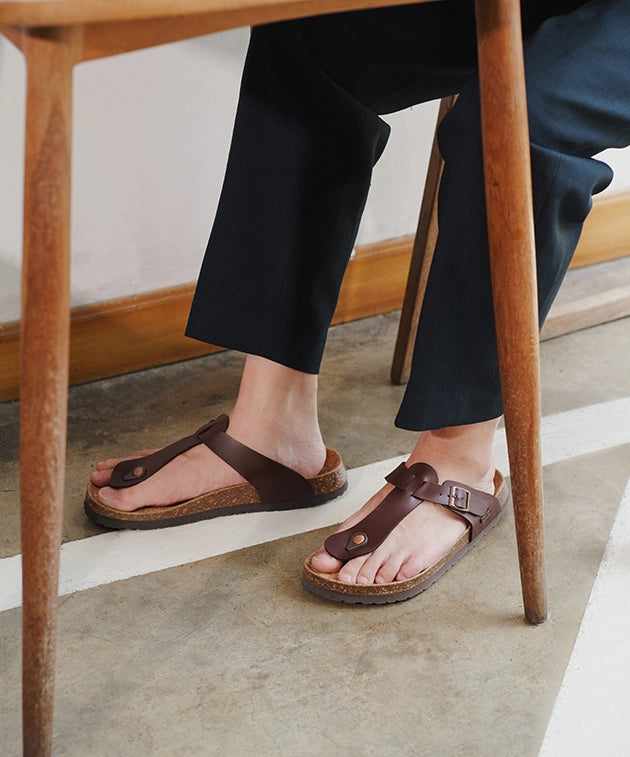
Exercises alone may not solve the problem if your footwear continues to strain your feet. After stretching, your feet still need support through the rest of the day.
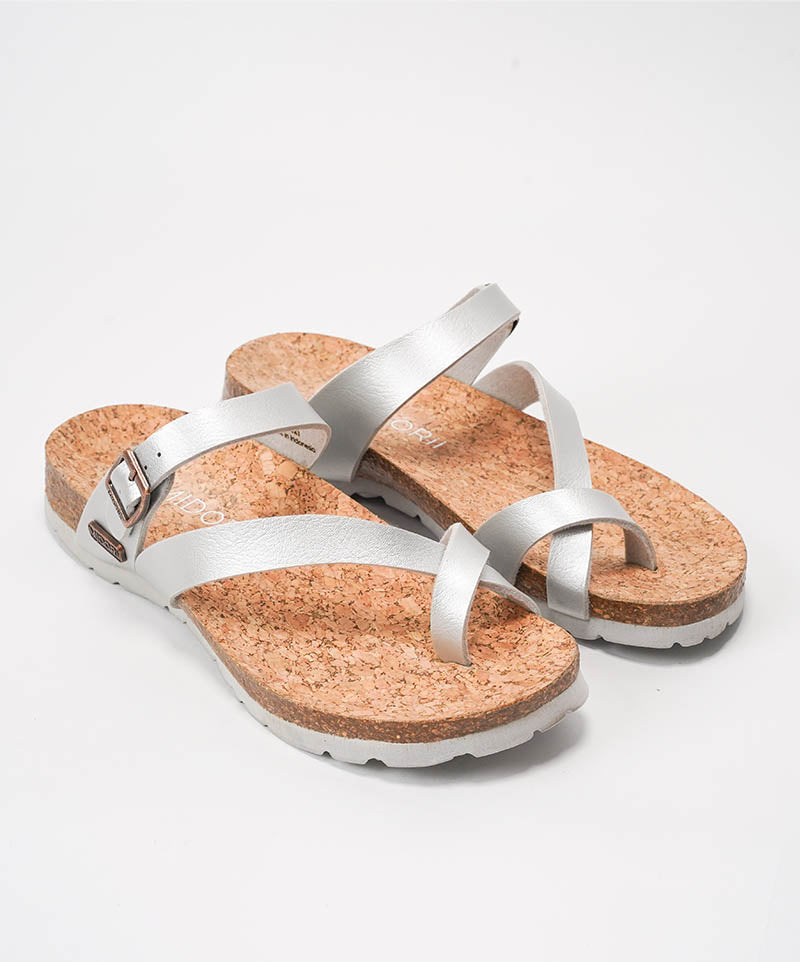
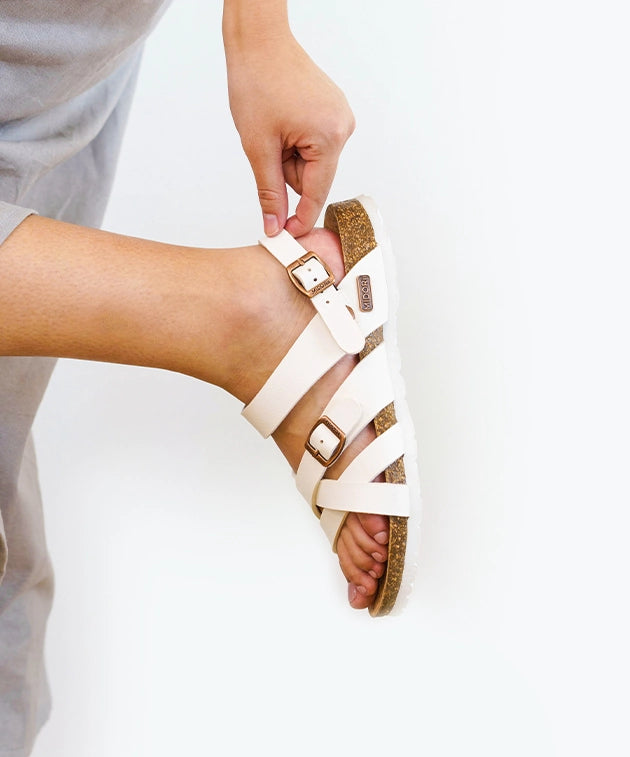
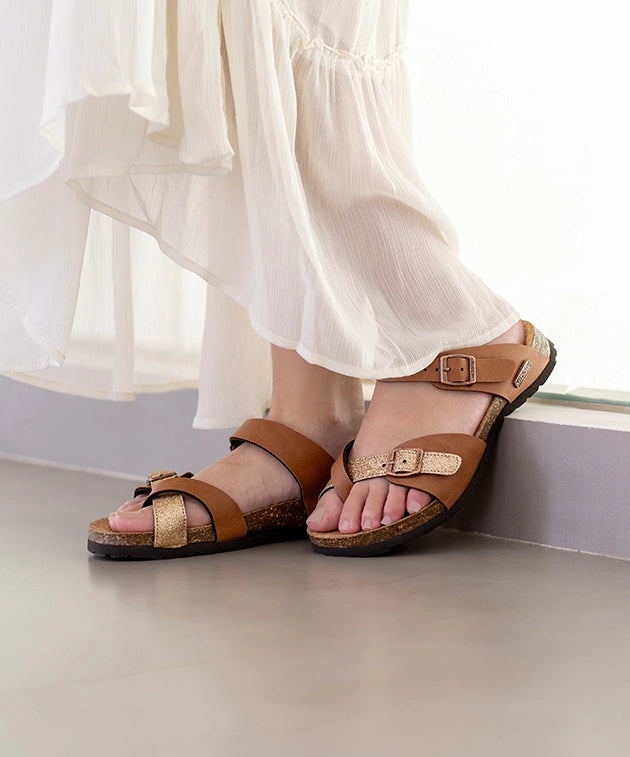
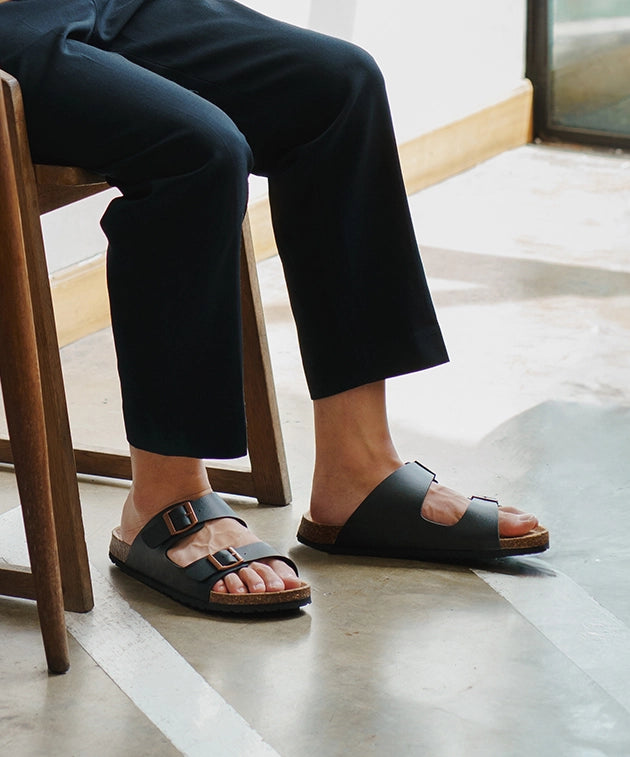
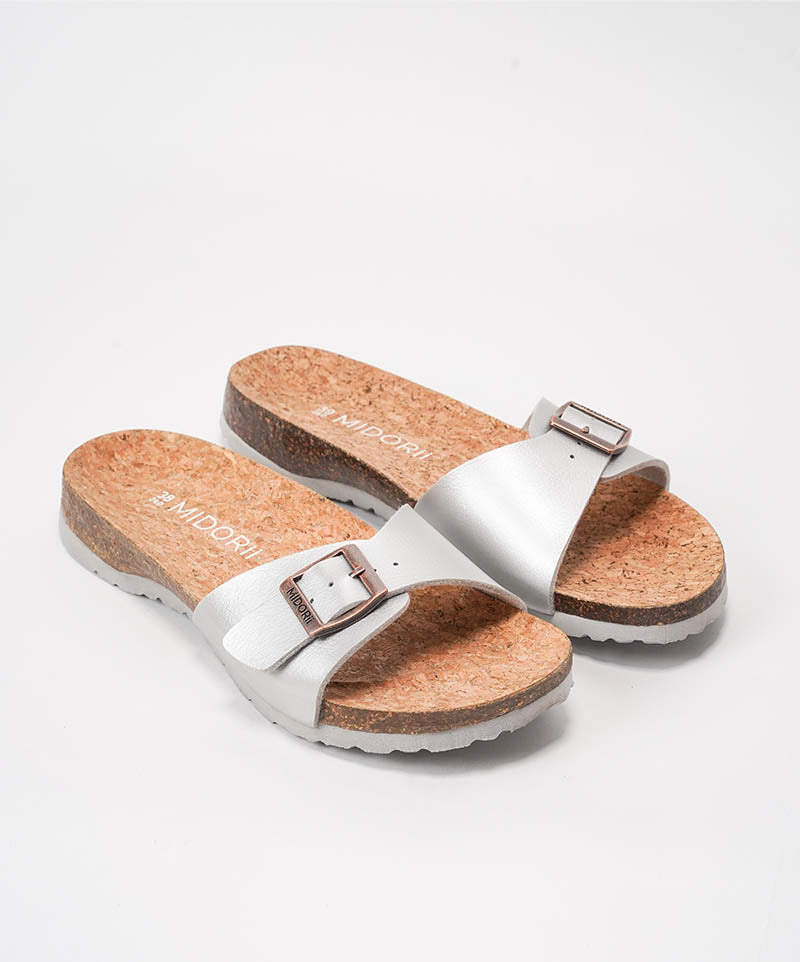
Supportive sandals can help maintain better alignment, reduce pressure on the heel, and prevent the plantar fascia from being overloaded again.
Recommended Midorii Sandals
|
Best for Everyday Comfort Halki Lightweight everyday comfort with a supportive contoured footbed. ₹3,500 View Product: Halki |
Best for Structured Support Bali Structured support for long hours of standing, walking, and daily wear. ₹3,400 View Product: Bali |
Shop Men's Sandals: Men's Sandals
Shop Women's Sandals: Women's Sandals
When to See a Doctor
You should consider seeing a doctor or physiotherapist if:
- Pain persists for more than 4-6 weeks
- Pain is severe or worsening
- You notice swelling, numbness, or tingling
- You are unable to walk comfortably
Final Thoughts: Consistency Is Everything
Plantar fasciitis can be frustrating, but it is manageable with the right approach. Daily stretching, strengthening, supportive footwear, and small lifestyle changes can help reduce pain over time.
Start with a simple 10-minute routine and pair it with footwear that supports your arches and heels through the day.
Need help choosing the right footwear? Read our guide to footwear for plantar fasciitis and flat feet
FAQs
What is the best exercise for plantar fasciitis?
Calf stretches and plantar fascia stretches are among the most useful exercises because they directly reduce tension in the heel and arch.
Can plantar fasciitis go away with exercises?
Exercises can help reduce pain and support recovery, especially when combined with supportive footwear and reduced strain on the foot.
How often should I do plantar fasciitis exercises?
A simple daily routine is usually best. Many people benefit from stretching in the morning and after long periods of sitting.