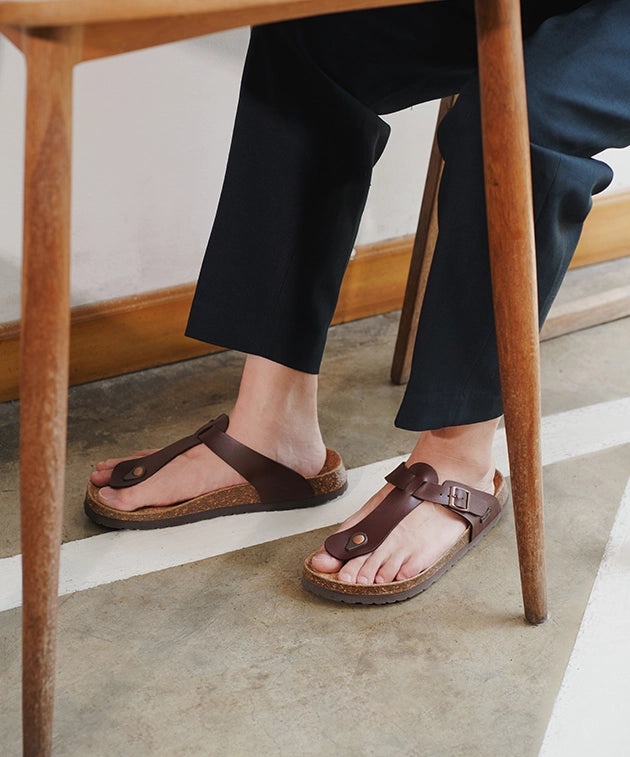
Materials Used in MIDORii Sandals
Materials Used in MIDORii Sandals
MIDORii sandals are designed using a three-layer construction system that balances comfort, durability, and everyday usability. Each layer serves a specific functional purpose, from ground contact to foot support to upper comfort.
This page explains the materials used in each layer and why they are chosen.
The MIDORii Three-Layer Construction
MIDORii sandals are built using the following structure:
- Bottom layer: EVA outsole
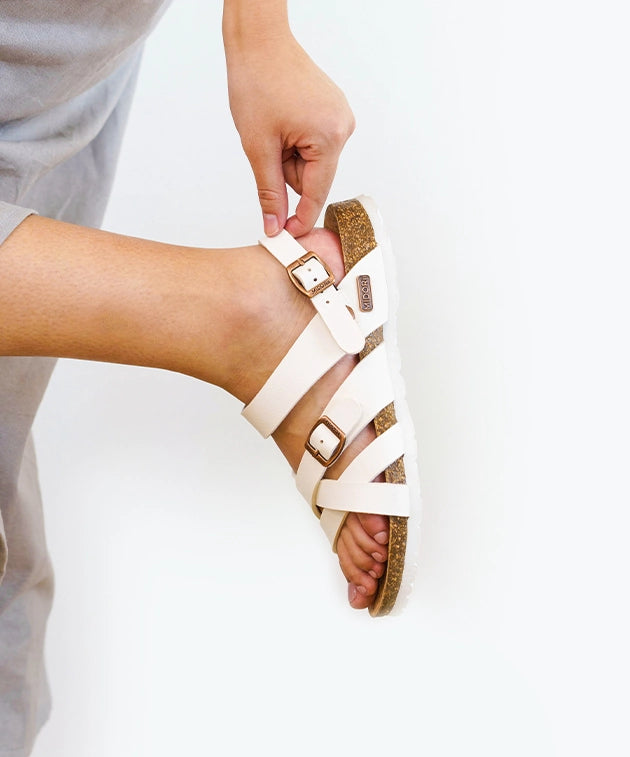
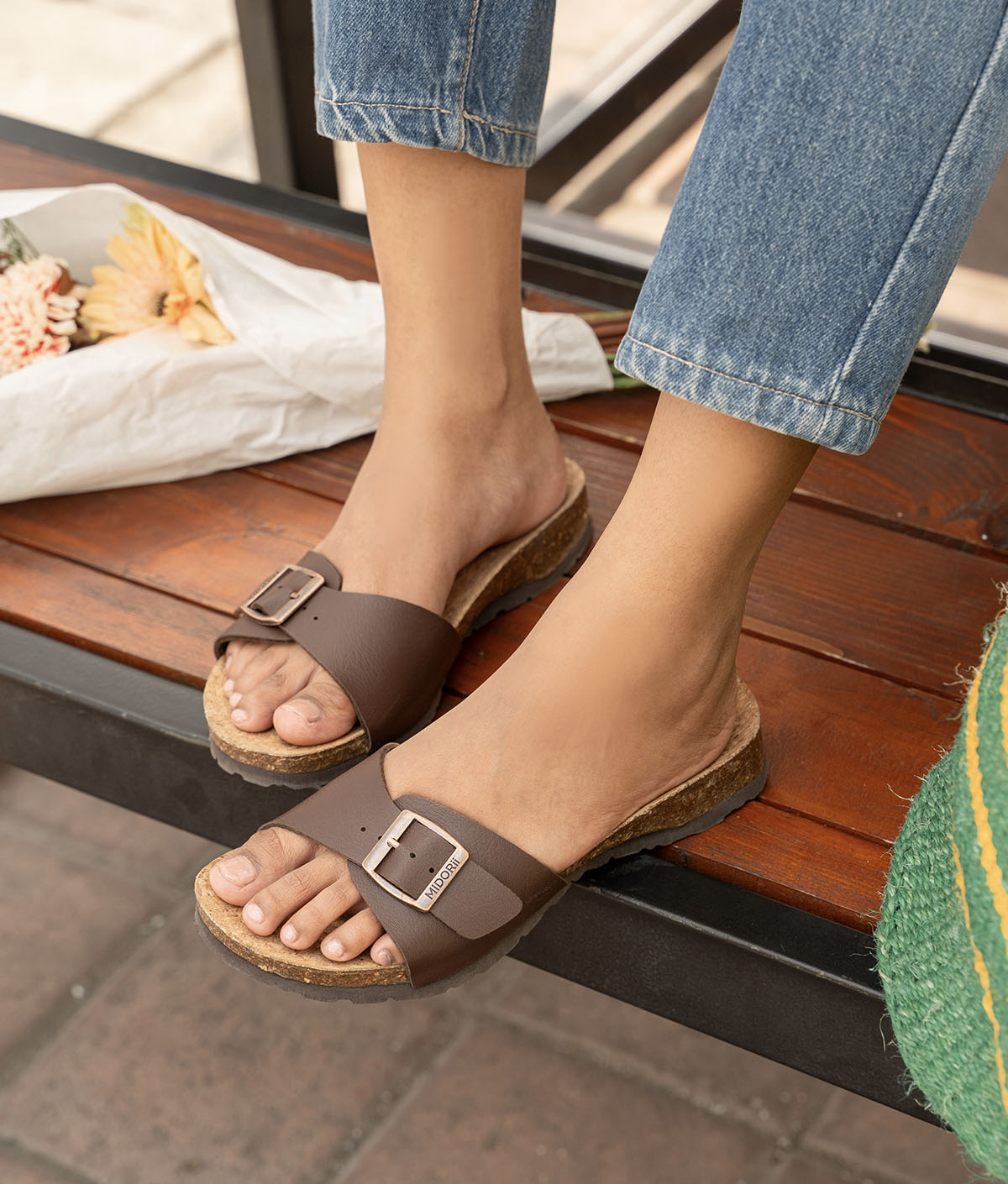
- Middle layer: Genuine cork footbed
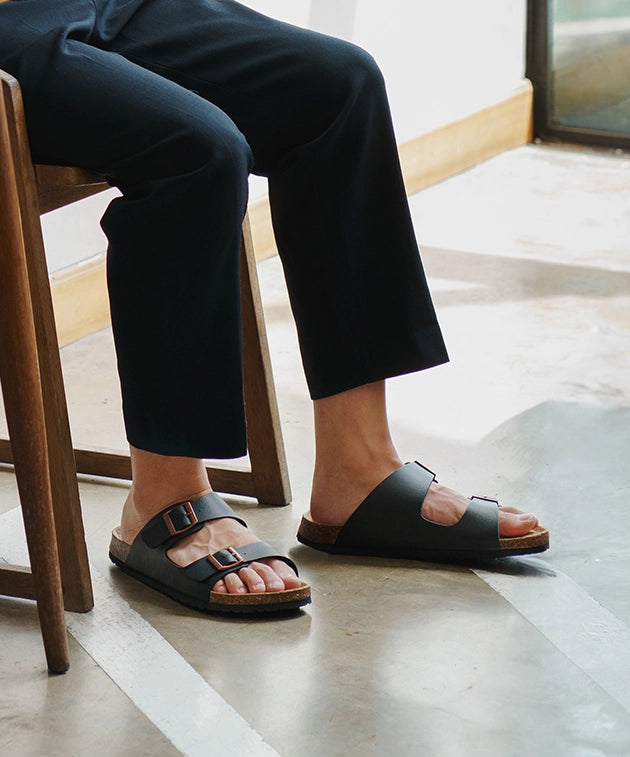
- Top layer: Vegan leather uppers
Each material is selected for performance, comfort, and suitability for Indian walking conditions.
Bottom Layer: EVA Outsole
What is EVA?
EVA (Ethylene Vinyl Acetate) is a lightweight, flexible material commonly used in footwear outsoles for shock absorption and durability.
Why MIDORii uses EVA outsoles
- Shock absorption on hard surfaces
- Lightweight for long hours of wear
- Flexibility that supports natural foot movement
- Reliable grip for everyday urban walking
The EVA outsole forms the foundation of the sandal and helps reduce impact stress during walking.
Middle Layer: Genuine Cork Footbed
What is a cork footbed?
A cork footbed is made from natural cork granules, combined with binders such as latex or rubber to create a firm yet flexible structure. Cork is used as a core structural material, not as a decorative surface.
The cork footbed forms the comfort core of the sandal.
What is cork? (Material Q&A)
What is cork?
Cork is a natural material harvested from the bark of the cork oak tree. The bark regenerates over time, allowing cork to be collected without cutting down the tree.
How is cork used in footwear?
In footwear, cork is commonly used in footbeds. When combined with binders such as latex or rubber, cork forms a supportive structure that adapts to the shape of the foot over time.
Why is cork used in sandals?
Cork offers a balance of support, comfort, and breathability. It helps distribute body weight evenly across the foot and reduces fatigue during walking.
Is cork comfortable for long walking?
Yes. Cork footbeds provide structured support rather than soft cushioning, which helps maintain comfort during extended periods of walking.
Does cork mould to the foot?
Yes. Over time, cork footbeds gradually mould to the wearer’s foot shape while retaining their supportive structure.
Is cork suitable for hot or humid weather?
Yes. Cork is naturally breathable and does not trap heat, making it suitable for warm and humid climates.
Is cork an environmentally friendly material?
Cork is considered environmentally friendly because it is renewable and harvested without damaging the cork oak tree.
Why MIDORii uses genuine cork footbeds
- Structured arch support for daily walking
- Adaptive comfort that improves with wear
- Breathability suitable for Indian weather
- Better shape retention than foam-only footbeds
MIDORii uses cork as a functional footbed material, designed for support and durability rather than short-term softness.
Top Layer: Vegan Leather Uppers
What is vegan leather?
Vegan leather refers to non-animal materials engineered to replicate the look and feel of leather without using animal-derived components.
Why MIDORii uses vegan leather uppers
- Animal-free materials
- Durable for everyday wear
- Low maintenance and easy to clean
- Consistent finish across styles
The uppers provide structure, comfort, and a secure fit while aligning with MIDORii’s material philosophy.
How the three layers work together
Each layer in the MIDORii sandal plays a specific role:
|
Layer |
Material |
Primary Function |
|
Bottom |
EVA outsole |
Shock absorption and ground grip |
|
Middle |
Genuine cork footbed |
Arch support and adaptive comfort |
|
Top |
Vegan leather uppers |
Secure fit and durability |
Together, these layers create a sandal designed for comfort, stability, and long-term wear.
Material transparency
MIDORii aims to be clear about the materials used in its products. Cork is used as a structural footbed material, not merely for appearance, and vegan leather is used consistently across uppers.
Material composition may vary slightly by style, but the three-layer construction principle remains consistent.